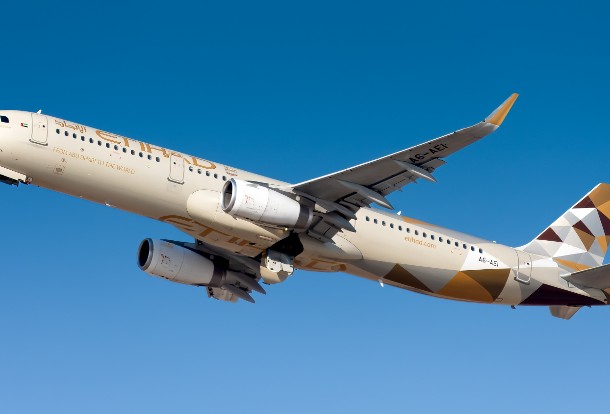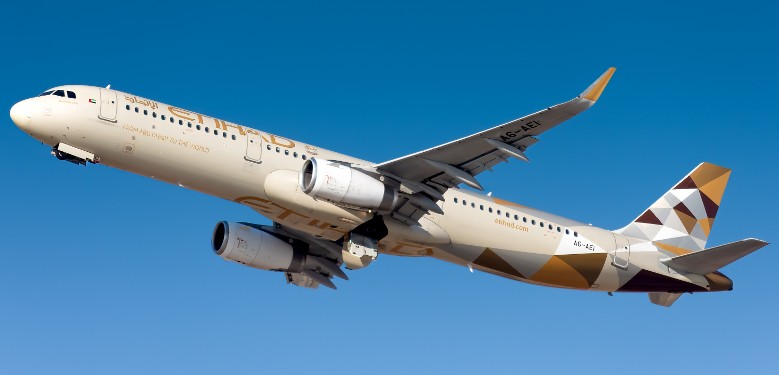
Etihad Airways recently announced that, starting in October 2026, it will gradually launch services to five major destinations in mainland China—Shanghai Pudong, Chengdu, Hangzhou, Shenzhen, and Guangzhou. Together with its existing daily service to Beijing, its network in mainland China will expand to six destinations with a total of 35 weekly direct flights.
This expansion is striking given the continued instability across the broader Middle East.
Amid ongoing tensions involving Iran, aviation operations in the region have remained highly volatile. Some routes have been forced to adjust, detours have increased, and capacity deployment has become more frequent, disrupting the stability the industry long relied on.
Against a backdrop of still-limited demand visibility, Etihad’s decision to continue expanding its network gives its China strategy a distinctly counter-cyclical character.
Notably, on April 12, Abu Dhabi Crown Prince Khaled arrived in Beijing for an official visit to China.
In this context, Etihad’s decision to move early on five new Chinese destinations can be seen both as a long-term bet on the Chinese market and as an effort to secure a first-mover advantage before the regional competitive landscape fully stabilizes.