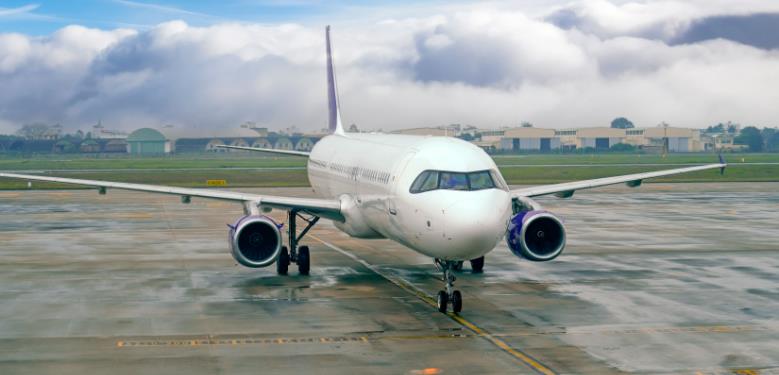
Reporters learned from online platforms that over 40% of scheduled flights from mainland China to Japan in December have been canceled, with more than 1,900 flights called off.
After November 15, the number of travelers heading to Japan dropped sharply. On November 25, passenger volume was about 23% lower than on November 15.
This round of flight adjustments has been broad-based, affecting both major full-service carriers and low-cost airlines.
he operator of Japan’s Kansai International Airport, disclosed on December 1 that it expects up to 177 weekly flights to and from China to be suspended in December—a 34% reduction from the original schedule. The decrease accounts for roughly 10% of all international flights at Kansai Airport.
The company also noted that from January through March 2026, flights are expected to remain down by an average of 28%. Concerns are growing that this could dampen consumption in the Kansai region, which has particularly strong economic ties with China.
Consumption in the Kansai area is highly dependent on spending by inbound foreign tourists. Estimates show that in October, Osaka Prefecture welcomed 1.563 million inbound visitors, an 18% increase from the same month last year and a record high.
Among them, visitors from mainland China were the largest group, accounting for 24%—six percentage points higher than the national average.
A survey conducted by the Osaka Convention & Tourism Bureau covering about 20 hotels in the prefecture showed that 50% to 70% of bookings by Chinese guests through the end of December have been canceled.
According to the Asia Pacific Institute of Research (APIR), when China–Japan relations deteriorated in September 2012, the number of Chinese visitors to Japan began declining year-on-year the following month and did not return to growth for a full year.
Experts warn that “Chinese visitors also tend to spend more, so if tensions escalate further, the Kansai economy will face negative impacts.”