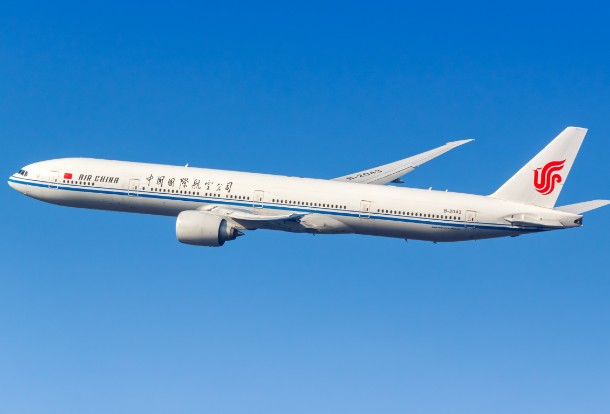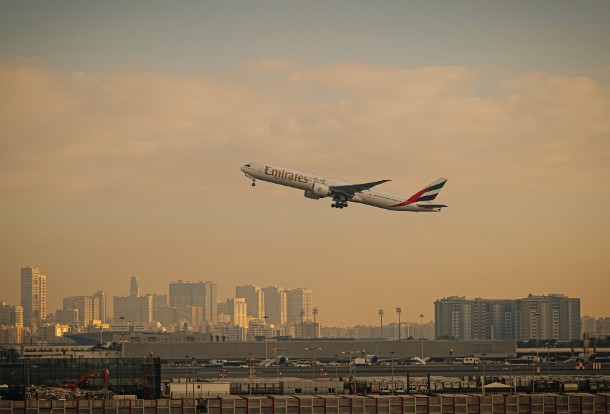

The deteriorating situation in the Middle East is weighing on inbound travel demand to Japan. Flights transiting through the region have been suspended one after another, while accommodation bookings at popular destinations are being canceled. At the same time, rising demand for direct flights and higher fuel costs have pushed up airfares, potentially leading to further visitor losses.
Take the Hida Takayama area in Gifu Prefecture, a favorite among international travelers, as an example. Many European tourists have canceled their reservations. According to the Hida Takayama Ryokan and Hotel Cooperative, since tensions in the Middle East escalated, around 4,000 bookings—mainly from European visitors—had been canceled as of April 14.
Inbound demand for Japan has already been clouded by the deterioration in China–Japan relations, which has contributed to a decline in Chinese visitors. The worsening Middle East situation is dealing a further blow.
Rising airfares from Europe are another factor. As airlines suspend flights that pass through the Middle East, demand for direct flights from Europe to Japan has surged, driving ticket prices sharply higher under dynamic pricing mechanisms.
The increase in aviation fuel prices is also a growing concern. With the effective closure of the Strait of Hormuz, jet fuel prices, which had remained around USD 80 per barrel as of February, surged past USD 200 per barrel in late March—an increase of approximately 2.5 times within a month.
Airlines are now exploring ways to pass on these higher costs. Fuel surcharges on Europe–Japan flights at ANA and JAL remain below JPY 30,000 (about USD 200) for April and May, but under the current system, they could rise to over JPY 90,000 (about USD 600).
According to the Japan National Tourism Organization (JNTO), visitors from the Middle East totaled 250,000 in 2025, while European visitors reached 3.16 million. Combined, they accounted for only about 8% of total inbound arrivals (42.68 million). However, with the continued drag from cooling China–Japan relations, Japan may face challenges in achieving its goal of attracting 60 million inbound visitors by 2030.